Worldwide fisheries face a variety of interconnected difficulties that intimidate both the atmosphere and the communities that depend upon them. Overfishing stays among the most pressing concerns, with many fish populations manipulated beyond their capacity to recoup. This depletion influences not just biodiversity yet additionally the economic security of numerous people worldwide, especially those in coastal and fishing-dependent regions. Furthermore, prohibited, unreported, and uncontrolled (IUU) fishing undermines initiatives to manage fisheries sustainably and creates unreasonable competitors out there.
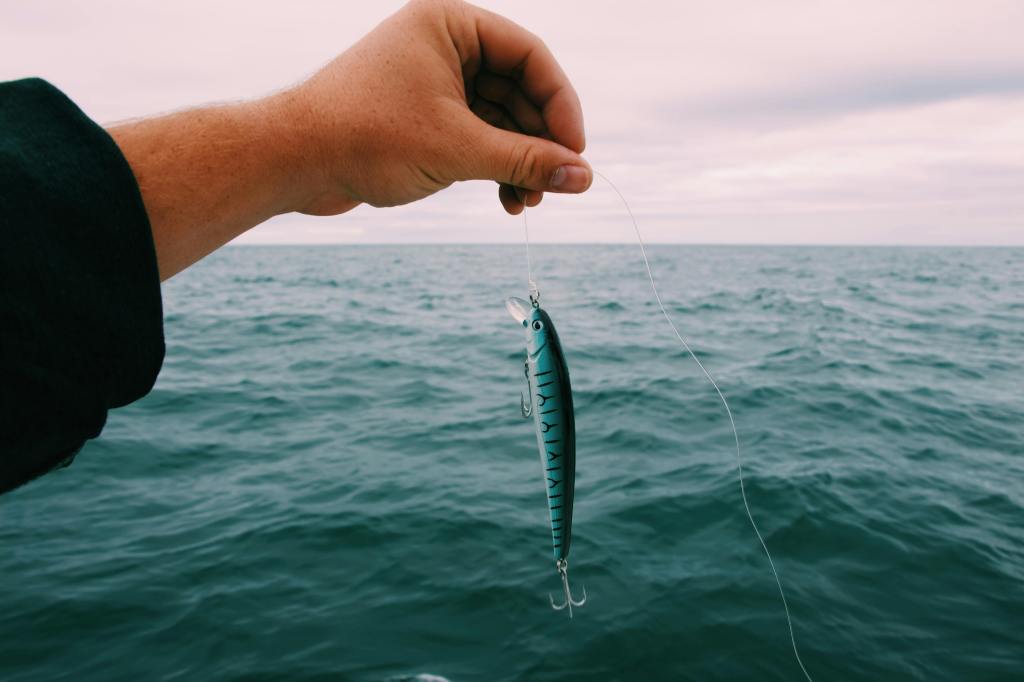
To attend to these challenges, international collaboration and solid regulatory structures are important. Several federal governments and companies are applying science-based allocations, establishing marine protected locations, and investing in better monitoring and enforcement systems to decrease illegal bass fishing tips. Technological tools such as satellite tracking, electronic catch documentation, and AI-powered analytics are assisting to boost openness and conformity across the supply chain. These initiatives are increasingly supported by global arrangements like the United Nations’ Sustainable Development Goals, which advertise liable sea stewardship.Environmental changes additionally complicate fisheries monitoring. Climate adjustment is modifying ocean temperatures, currents, and level of acidity degrees, which impacts fish movement patterns and breeding cycles. Pollution, consisting of plastic waste and chemical overflow, degrades environments and can cause health issue for aquatic species. These variables make it more difficult to forecast fish stocks and develop reliable preservation strategies. Fisheries must adapt to these changing conditions while remaining to meet international need for seafood.
Regional options also play an essential duty in the future of fisheries. Community-led efforts, such as co-managed fisheries and lasting small techniques, empower neighborhood fishers to secure their resources while keeping their way of life. Education and training programs aid fishers embrace eco-friendly techniques andadapt to altering conditions. By incorporating neighborhood understanding with global policy and innovation, the fishing industry can approach a more well balanced and durable future, making sure that both individuals and the world can continue to take advantage of the sea’s bounty.Local engagement and community-based monitoring likewise provide encouraging services. Small fishers typically possess very useful knowledge regarding their regional environments and can contribute to preservation efforts when empowered. Programs that support lasting fishing techniques, alternative resources, and education and learning help construct strength in fishing areas. By incorporating global policy with grassroots activity, it is possible to produce an extra lasting and fair future for fisheries worldwide.
 bass fishing tip